

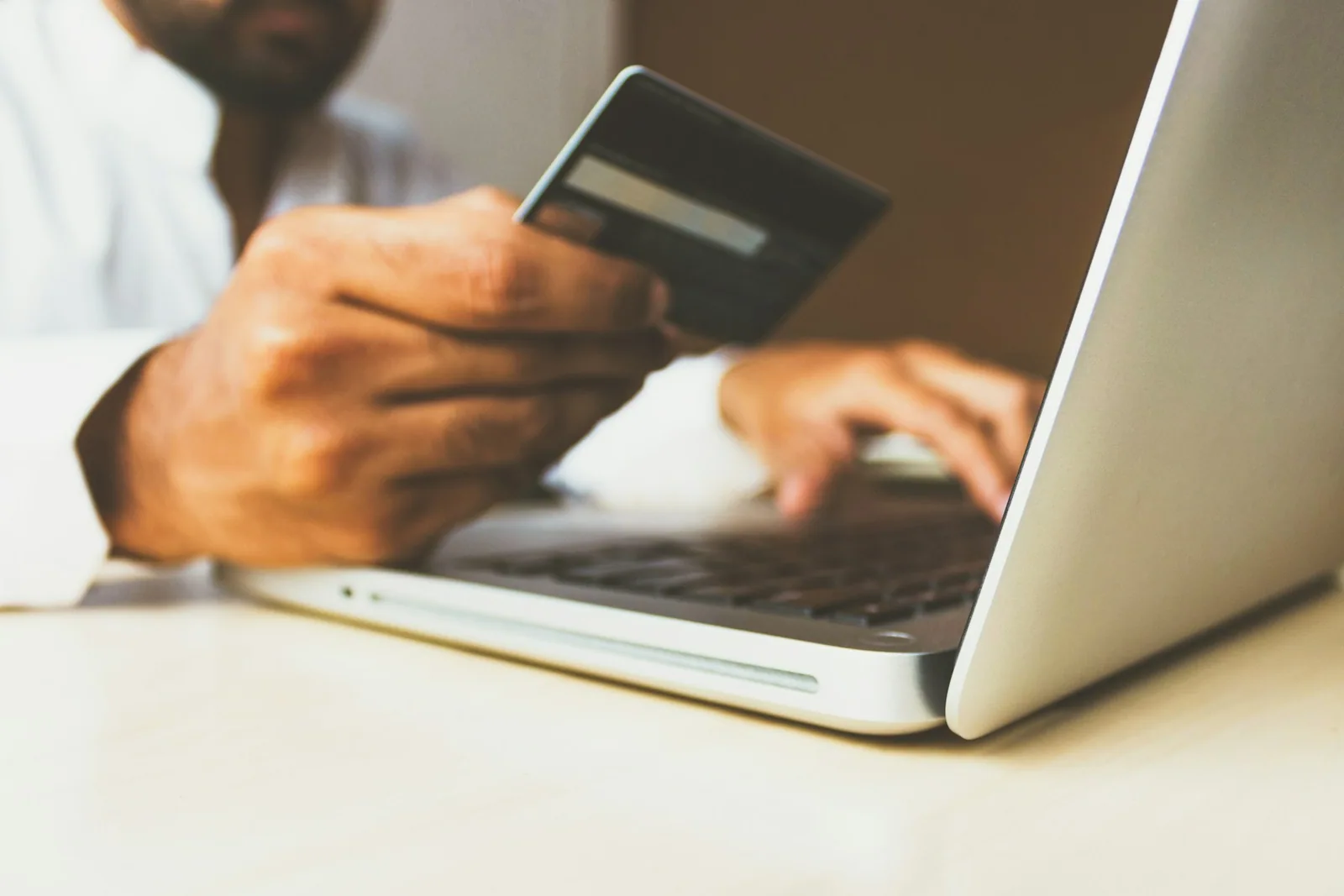
How the situation unfolds
- 01
Contact
Calls or messages after a purchase.
- 02
The lure
A product problem qualifies you for an immediate refund.
- 03
The demand and outcome
The supposed refund becomes code sharing, scanning, or a deposit that authorises a charge.
Verify these things before paying
- Check the order in the original platform
- Find official support yourself
- Do not give callers verification codes
Already engaged or paid?
- End the call and screen sharing
- Ask your bank to check transactions
- Report the impersonator to the platform
Contact your payment provider and local police promptly. The responsible institution must confirm whether a payment can be stopped, disputed or returned.
Keep these records
Original order
Caller number
Refund instructions
Actual charges
Keep originals and organise working copies. Never give strangers verification codes, banking passwords, private keys or seed phrases.
Original references
- Hong Kong Police Anti-Deception Coordination CentrePublisher location:Hong Kong, China · Simplified ChineseOpen the original reference ↗https://www.adcc.gov.hk/zh-cn/alerts-detail/alerts-2090597267025596417.html
- Federal Trade Commission (FTC)Publisher location:United States · EnglishOpen the original reference ↗https://consumer.ftc.gov/features/pass-it-on/impersonator-scams/business-impersonator-scams
This page summarises public prevention guidance to help recognise methods. It is not an enforcement conclusion about a particular incident. Check the source page for its original title. Procedures and reporting routes vary by jurisdiction. Compiled October 2026.